
Service // 05 of 06
Sprinkler and irrigation care in Sarasota
Each zone gets tested, broken heads get replaced and coverage gets tuned, timers are set to county rules, and new beds can get drip lines.
What you get
Is every zone doing its job?
- Every zone run and inspected
- Cracked or clogged heads replaced
- Spray patterns and coverage tuned
- Drip irrigation in new beds
- Timers matched to county rules
- Rain sensor testing
Testing every zone
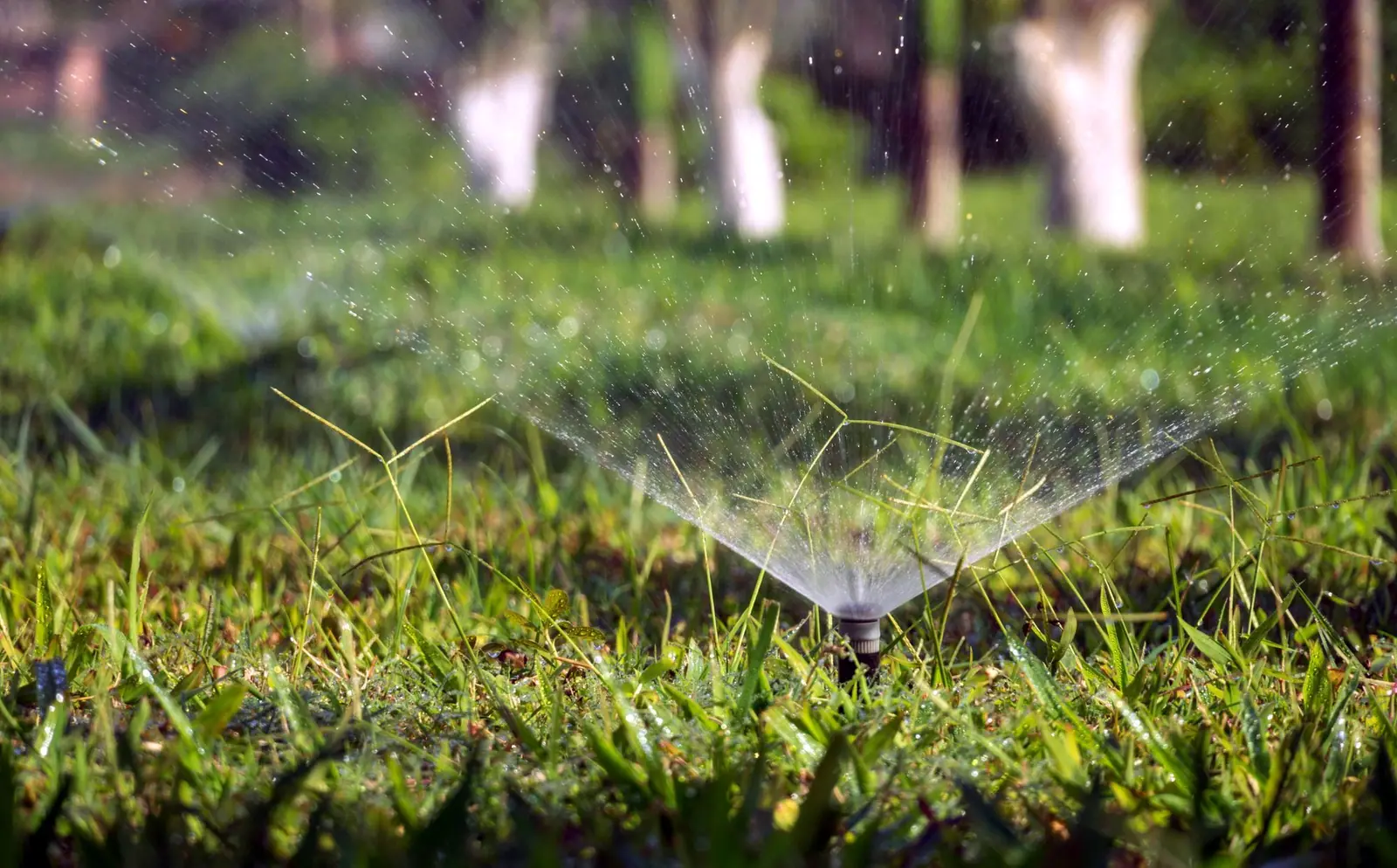
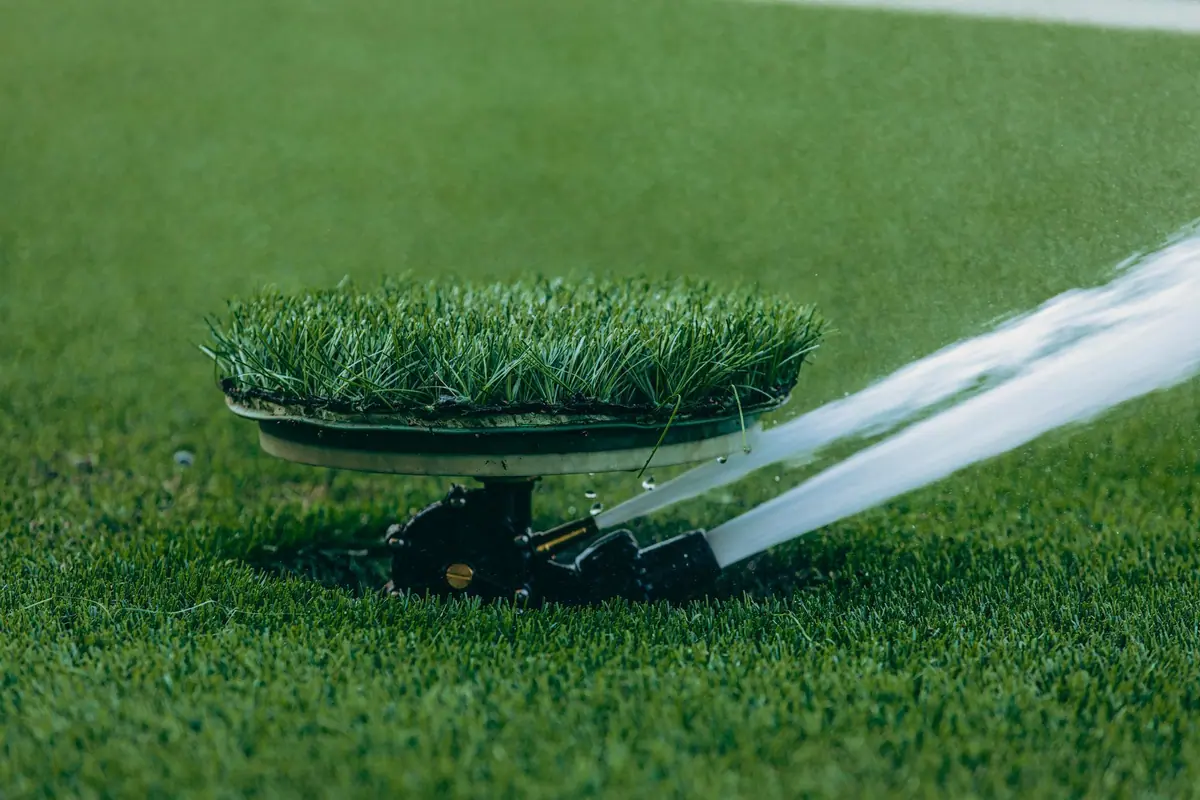
Each zone gets switched on and watched. Clogged or broken heads are swapped out, any that spray the house or the street are re-aimed, and dry corners get coverage. Sand plugs nozzles and mowers clip heads, so both are routine fixes, and one bad head is often why a single patch of lawn turns brown.
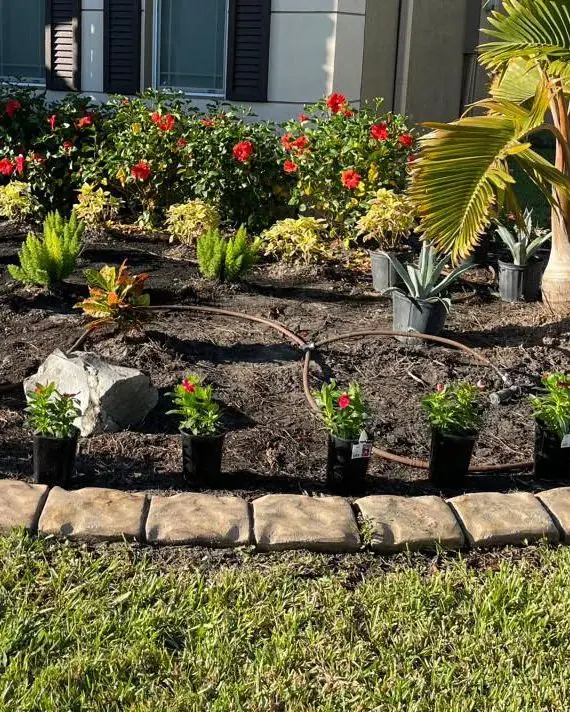
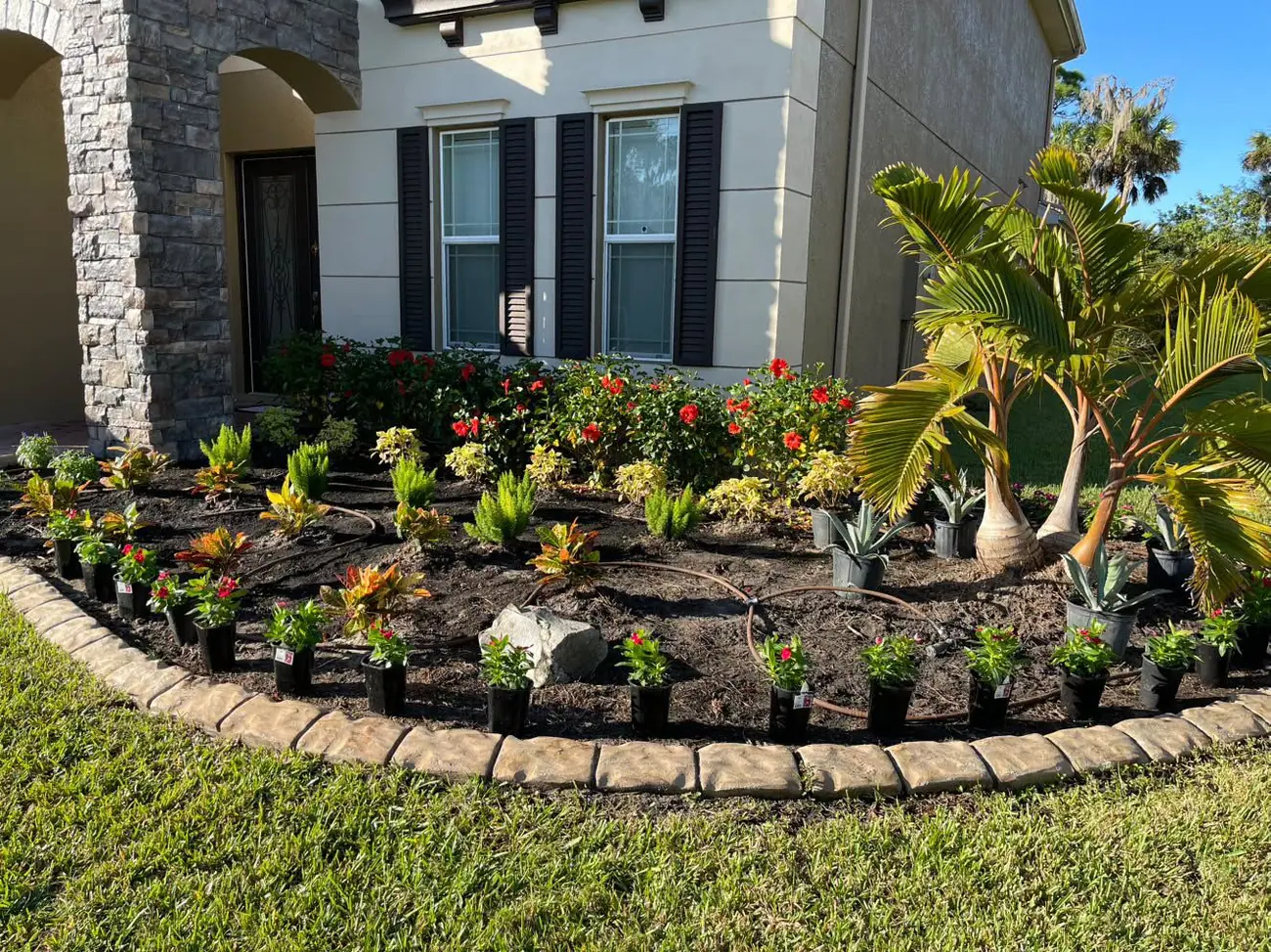
For new beds there’s drip irrigation, a slow, low-pressure line that waters roots without soaking leaves or the walkway. It is the better fit for shrubs and tropicals, because overhead spray wastes water on foliage and pavement. Last, the timer is set so every zone runs just long enough.
County rules and the wet season
In both Sarasota and Manatee County, sprinklers may only run on certain days and hours, and drought can tighten those limits. A timer still on factory settings almost never matches. Your county’s water conservation office lists the current schedule for your address.
Sand drains quickly, yet from about June to September the rainy season can leave a system watering turf that’s already soaked. A working rain sensor, or a timer you adjust as the season changes, saves water and keeps the lawn from staying wet.
When you call
Tell us the symptom: a dry patch, a gushing head, a zone that never starts. Your free estimate starts with the crew walking the yard while the system runs.
Most repairs happen on the spot, and the zones are run again afterward to check coverage. You’ll get a rundown of the timer: what each zone covers, whenever it runs, and what to change once the rainy season starts.
Common questions // asked often
Irrigation, answered.
Have a question? Send a text to (239) 887-8922 for a clear answer.
Call (239) 887-8922Why is one area of my lawn turning brown?
The usual cause is a head that’s broken, clogged or pointed wrong, leaving that zone short on water, and sandy soil shows it fast. A stuck valve or deep shade can do it too. The crew can run the zone, pin down the cause and tell you what it needs.
What are the local watering rules?
Your address determines which days and hours you may water, and drought can tighten those limits further. Check the current schedule from your county’s water conservation office before changing anything, and then match your timer to it.
Can you put drip lines in new beds?
Yes. They’re laid with new plantings, before the mulch or rock goes down, and they water slowly right at the roots. That suits tropicals and young shrubs while they settle in and keeps them from drying out between rains.
Coverage // eight towns
Irrigation around Sarasota & Manatee.
Also from Coastal Grounds
More services.
 Lawn Mowing & Lawn CareRegular cuts on a 7- or 14-day cycle, plus edging, trimming and cleanup.
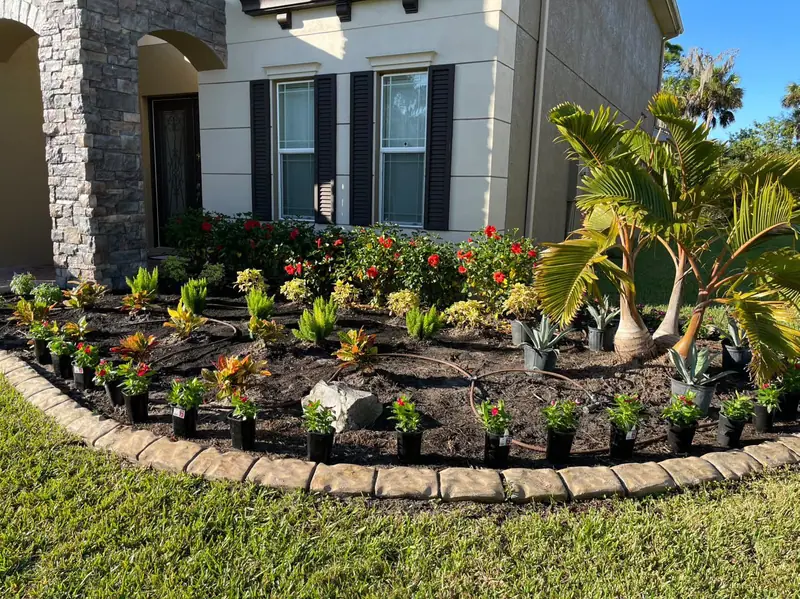 Landscape Design & Plant InstallationBeds designed and planted with species suited to Gulf Coast sun and salt.
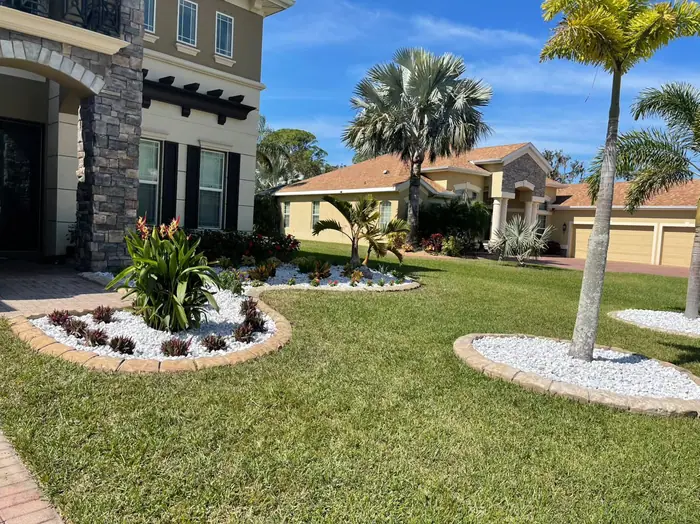 Mulch & Landscape BedsFresh mulch or white marble rock over weed fabric, held in by curbing.
 Sod InstallationWorn-out turf pulled, soil leveled and fresh sod put down, plus watering tips.
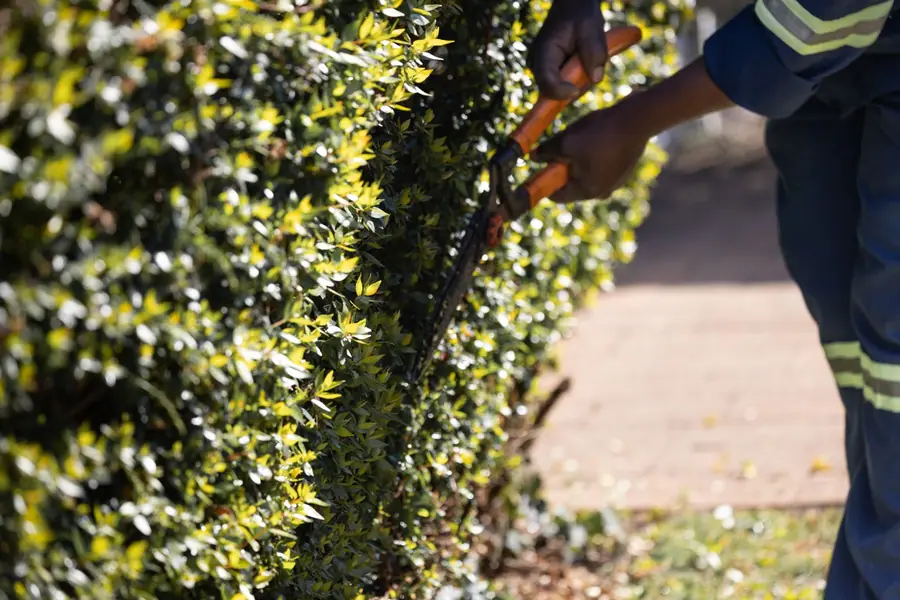 Spring & Fall Yard CleanupsOvergrown yards cut back, shrubs shaped or pulled, debris cleared out, gutters on request.
Free walk-through // no commitment
Your irrigation estimate.
Fill out the form and Kevin will call or text you back. Need it sooner? Call any day between 7 and 5.
- Call(239) 887-8922
- Send a photo(239) 887-8922
- HoursDaily, 7 AM to 5 PM
- Service areaSarasota & Manatee County